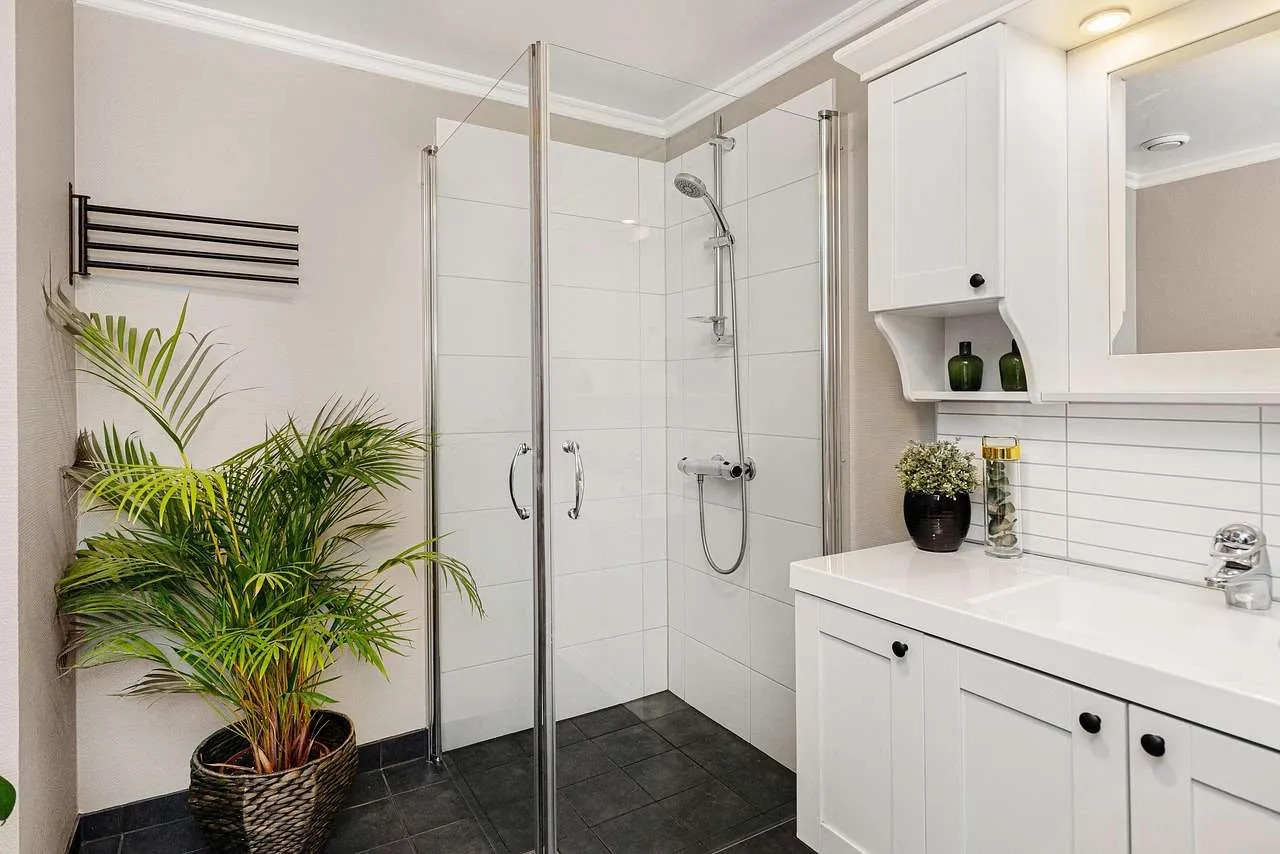
Choosing bathroom tiles sets the tone for the entire space, blending function with form. The right tiles resist moisture, stand up to daily use, and still look timeless after years of humidity and cleaning. For homeowners and designers alike, the decision involves more than color and pattern: material properties, slip resistance, maintenance, and installation requirements all influence long-term satisfaction. In this guide, we break down the most common tile materials, explain how to evaluate your bathroom's needs, share practical installation tips, and offer design ideas that work in real homes. Whether you are remodeling a master bath or updating a compact powder room, understanding the trade-offs of porcelain, ceramic, natural stone, and glass tiles helps you create a durable, stylish space with confidence.
Understanding Bathroom Tile Materials
Tile materials come in several families, each with distinct advantages and drawbacks. Porcelain tiles are a dense, water resistant subset of ceramic, fired at higher temperatures. They resist stains and moisture, making them a popular choice for showers and floors. Ceramic tiles are more affordable and come in endless styles, but they may require more maintenance in high moisture zones. Natural stone, such as marble or travertine, adds luxury and warmth but often demands sealing and more frequent care. Glass tiles can spark light and create focal points, yet they can be slippery when wet and require precise installation. For most bathrooms, a porcelain or ceramic base is reliable, supplemented by accent tiles for personality.
Key Factors When Choosing Bathroom Tiles
Moisture exposure, slip resistance, and the room layout guide tile selection. Look for tiles rated for wet areas and floors with a minimum slip resistance. The size of the tile affects grout lines and perceived space: large format tiles can make a small bathroom feel bigger, while smaller mosaics can create eye catching textures in showers. Consider color and finish: matte finishes reduce glare and slip risk, while lighter colors reflect light. Maintenance is also important: porcelain glazes are typically easy to clean; stone requires sealing; cementitious grouts may need sealing and periodic resealing. Budgeting should cover not only the tile cost but also waterproofing, backer board, and professional installation. Finally, plan for durability: the right tile will resist cracking from daily use, cleaning products, and temperature swings.
Installation and Care Basics
Installation and care basics include proper substrate preparation, waterproofing, and grout selection. For wet rooms, a waterproof membrane behind the tile is essential, and a cementitious or epoxy grout can influence stain resistance. Substrate and wall preparation should be flat and clean to avoid lippage and cracking. When choosing grout, match it to the tile color and the expected cleaning routine: light grout shows dirt more easily; darker grout hides stains but can require more frequent sealing and maintenance. Sealing is common for porous stone and some grout types, but many porcelain and ceramic tiles do not require sealing themselves. Cleaning should avoid harsh acids and abrasive pads; a mild pH neutral cleaner and regular wipe down help maintain tile sheen and prevent soap scum buildup.
Design Ideas and Trends
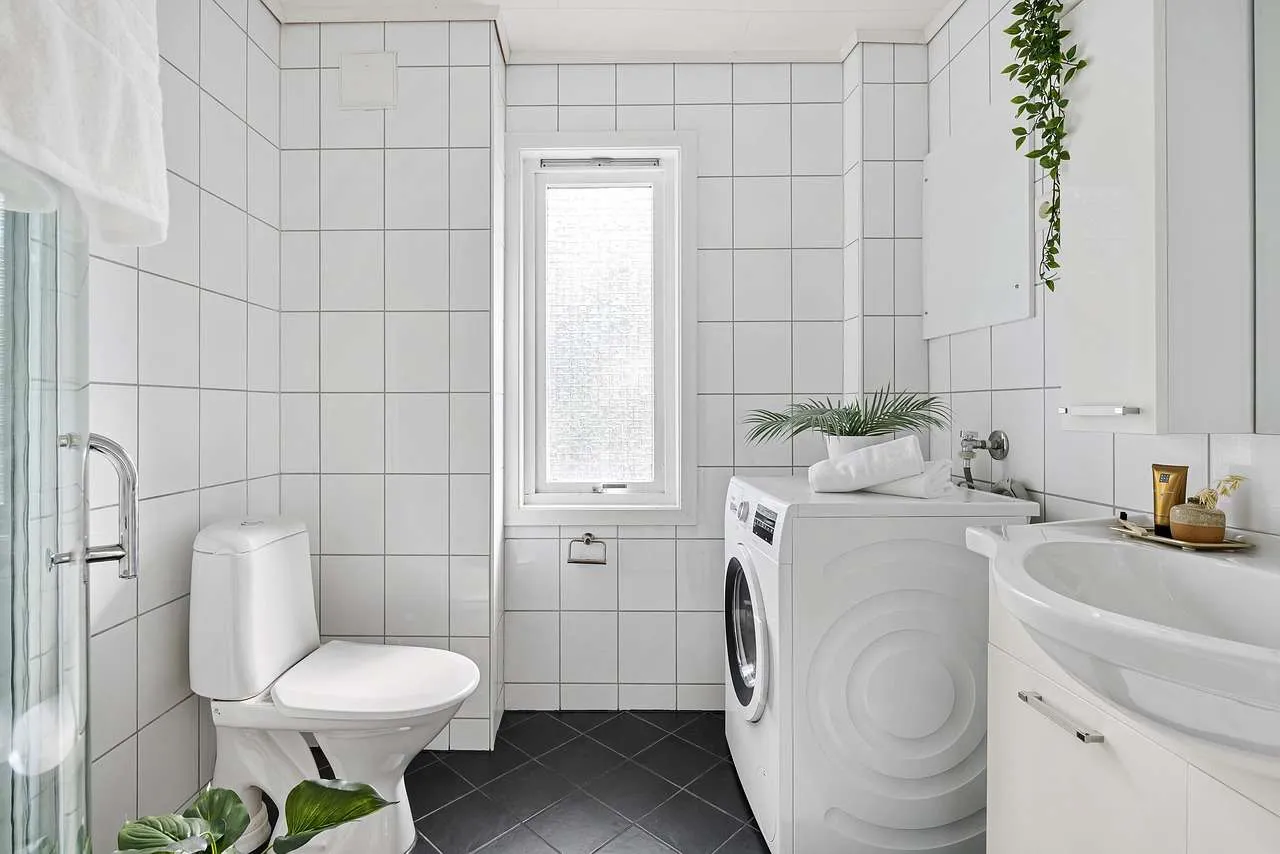
Subway tiles remain timeless in kitchens and bathrooms, arranged in classic or herringbone patterns. Large format tiles reduce grout lines and create a sleek, modern look, while mosaics add texture in shower niches or backsplashes. Combining two tile sizes or colors in a single space can define zones, such as a shower wall with a bold accent band. Color palettes range from cool neutrals to warm earthy tones; finishing with a contrasting grout can highlight patterns or unify the space. For safety and style, choose matte or textured finishes for floors and select appropriate slip resistance. When in doubt, request samples and test lighting in your actual bathroom to ensure the tiles read as intended under midday and evening light.
Tile Type Comparison
| Tile Type | Pros | Cons | Best For | Maintenance |
|---|---|---|---|---|
| Porcelain | Very durable, highly water resistant, low maintenance | Can be heavier; higher cost; may require precise cutting | Floors and showers | Easy to clean; typically no sealing required |
| Ceramic | Affordable; huge design variety | Less water resistant than porcelain; chipping risk in high traffic | Walls and light traffic floors | Easy to clean; grout may require sealing |
| Natural Stone | Premium look; unique patterns | Porous; needs sealing; higher maintenance | Walls in dry areas; luxurious accents | Sealing and periodic re-sealing |
| Glass | Reflects light; vibrant color accents | Slippery when wet; can show water spots | Backsplashes and accent walls | Regular cleaning; avoid harsh abrasives |
Conversations with seasoned installers and designers can help tailor choices to your space, budget, and climate. Always verify warranties, installation guidelines, and local building codes before you begin.
Summary: In summary, bathroom tiles balance moisture resistance, durability, maintenance, and style. Porcelain and ceramic tiles offer dependable performance, natural stone delivers luxury with care, and glass accents provide light and color. A smart installation plan with proper waterproofing and appropriate grout keeps bathrooms functional and beautiful for years.