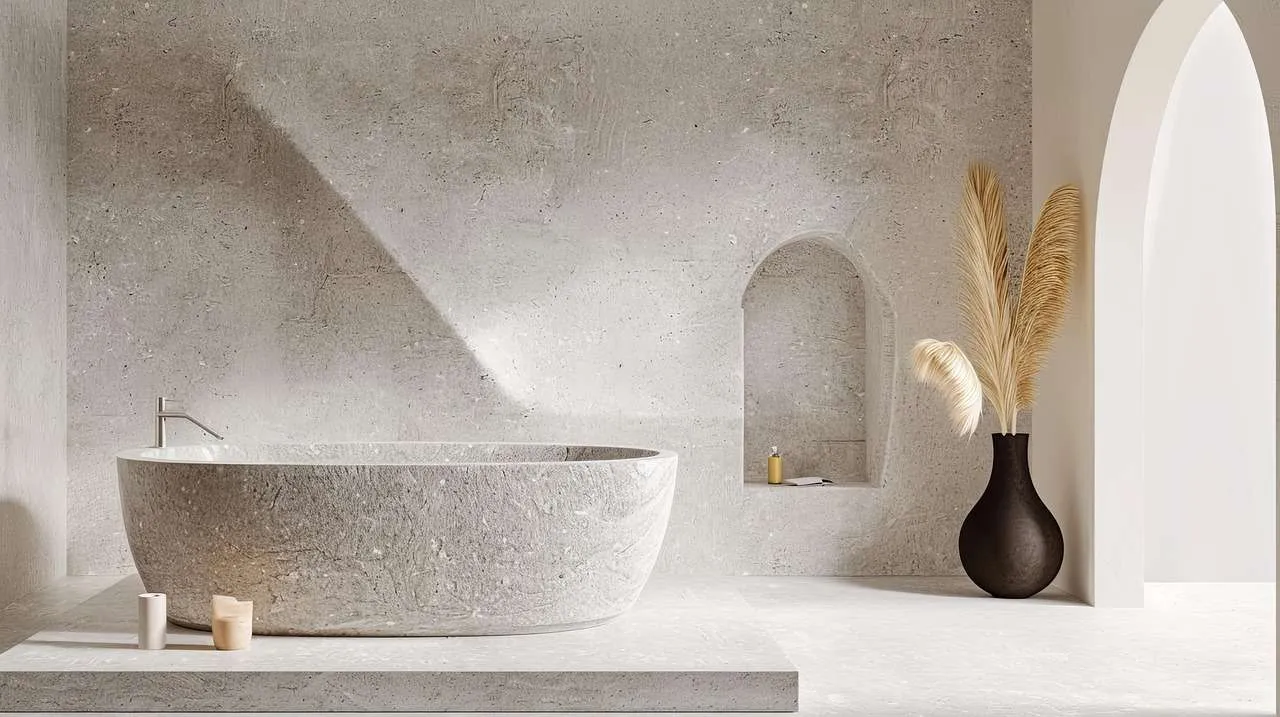
Choosing a bathroom tile sets the foundation for durability, safety, and style. When selecting bathroom tile, you weigh water exposure, slip resistance, maintenance, and cost. This guide covers common tile materials, design ideas, installation basics, and upkeep to help you make an informed decision.
Types of bathroom tile
Bathroom tile comes in a variety of materials, each with distinct performance characteristics. Understanding how ceramic, porcelain, natural stone, glass, cement, and mosaic tiles behave helps you pick the right option for walls, floors, and wet areas.
Ceramic tile
Ceramic tile is versatile and affordable. It is easy to cut and install, making it popular for walls and light to moderate traffic floors. Its performance depends on glaze and format. Ceramic tiles are more porous than porcelain and require sealed or glazed surfaces in damp areas.
Porcelain tile
Porcelain is a dense, low absorption tile that works well in floors and showers. It resists staining and moisture better than most ceramic options and is available in large formats and a range of finishes. Because of its hardness, porcelain can be tougher to cut, so professional installation is often recommended for complex layouts.
Natural stone tile
Natural stone such as marble, travertine, or slate offers timeless beauty and unique veining. Stone requires more maintenance, including sealing and periodic resealing, and it can be more susceptible to staining and etching in wet areas. It is typically best used on walls or as accent borders in showers rather than as the primary floor tile in high-traffic bathrooms.
Glass tile
Glass tiles add sparkle and create the illusion of more light in small bathrooms. They are non-porous and easy to clean but can be slippery when used on floors and may require more meticulous installation to avoid lippage on uneven substrates.
Cement and mosaic tile
Cement tiles and mosaics offer bold patterns and color. Cement can be more porous and may require sealing and ongoing maintenance. Mosaic sheets provide intricate designs and can be ideal for niches, borders, or shower floors, where smaller pieces provide better traction.
Materials and durability overview
Durability depends on the tile type, format, and installation quality. Porcelain tiles typically have very low water absorption and high wear resistance, making them suitable for showers and floors. Ceramic tiles offer good value for walls and light-use floors. Natural stone brings luxury but needs regular sealing and maintenance. Glass tiles are excellent for backsplashes and accent areas but should be paired with slip-resistant floor tiles. For wet zones, prioritize water resistance, proper underlayment, and sealed grout to minimize staining and mildew.
Design ideas and layout
Color and pattern choices influence the perceived size and mood of a bathroom. Light, monochrome palettes with larger formats create a spa-like feel and improve perceived space, while dark stones or bold mosaics add drama. Popular layout options include subway tile in a classic herringbone pattern, large-format porcelain for a seamless floor, and glass tile accents as a reflective backsplash or shower niche. Consider matching grout color to tile for a cohesive look or choosing contrasting grout to emphasize patterns. When mixing textures, balance matte and glossy finishes to avoid glare and keep maintenance practical.
Installation basics and maintenance
Professional installation ensures proper surface preparation, waterproofing, and grout sealing, which are crucial in bathrooms. Start with a flat, sound substrate and a suitable waterproof membrane for wet areas. Use the right underlayment for floors, and select a grout type appropriate for the tile and exposure. Sealing is essential for natural stone and some cement tiles, while glaze and surface treatments aid ceramic and porcelain maintenance. Regular cleaning with non-abrasive cleaners and prompt attention to spills help preserve color and prevent staining. Schedule resealing for stone surfaces according to product guidelines and bathroom usage.
Cost and decision guide
Prices vary by material, format, and installation complexity. Ceramic tile often costs between a low to mid range per square foot, while porcelain typically commands a higher price due to density and durability. Natural stone ranges from mid to high, with maintenance costs added over time. Installations on walls are usually less expensive than floors, but complex layouts or large-format tiles may require skilled labor. When budgeting, include underlayment, waterproofing, grout, and sealing products. A well-planned choice balances upfront costs with long-term maintenance and aesthetic value.
Tile comparison table
| Tile Type | Pros | Cons | Best Use | Water Absorption |
| Ceramic | Affordable, easy to install | Higher porosity than porcelain | Walls, light to moderate floors | Moderate |
| Porcelain | Low water absorption, durable | Stiffer to cut, heavier | Shower floors, high-traffic floors | Low |
| Natural Stone | Luxurious look, unique veining | Requires sealing, maintenance | Accent areas, less-porous floors | Variable |
| Glass | Bright, reflective, easy to clean | Slippery on floors, installation sensitivity | Backsplashes, shower niches | Very low |
| Cement | Bold patterns, durable when sealed | Porous, requires sealing | Accent floors, decorative walls | High |
Conclusion
Conclusion, choosing bathroom tile requires balancing durability, maintenance, and style. Porcelain and ceramic offer reliable, cost-effective options for walls and floors, natural stone adds luxury with higher upkeep, and glass or cement tiles provide striking accents. Pay attention to installation quality, waterproofing, and grout sealing to maximize longevity. With thoughtful layout and routine care, your bathroom tile can endure daily use while remaining visually appealing for years to come.